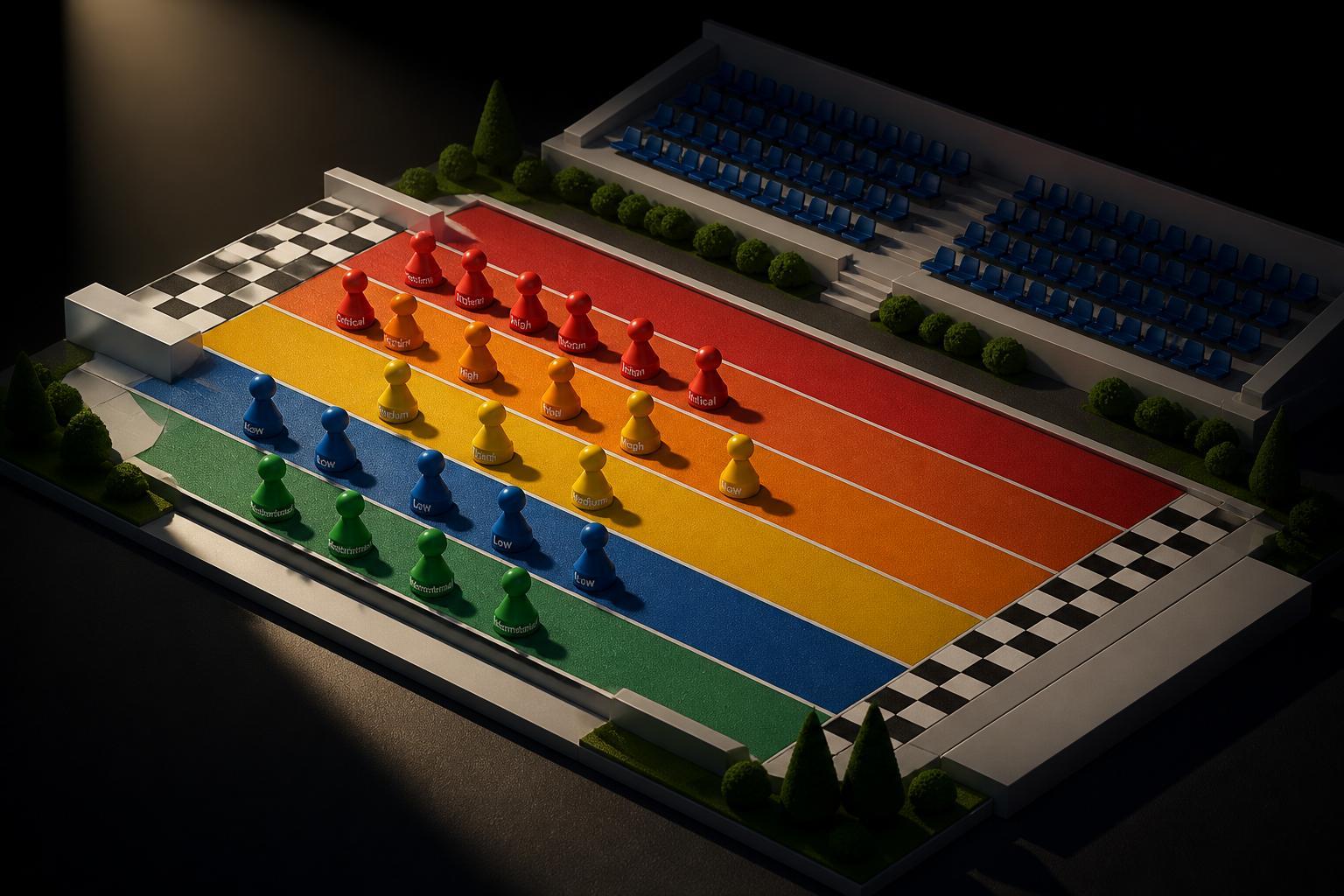
The CISA Known Exploited Vulnerabilities (KEV) Catalog has added two new entries: CVE-2026-114713, an UnrealIRCd flaw, and CVE-2026-123039, a Check Point products flaw. These vulnerabilities are common targets for attackers.
While Binding Operational Directive (BOD) 26-04 applies only to Federal Civilian Executive Branch agencies, it sets a model for all organizations. It prioritizes remediating KEV-listed vulnerabilities on publicly exposed assets that can be fully controlled if exploited. CISA encourages adopting this risk-based approach.
As a Privacy Officer, understanding this is vital. An exploited edge device can lead to data exposure. This guide provides a clear sequence for your security team and an audit framework for you.
Preparing to Implement
Before you start, gather these essentials:
- Current asset inventory with internet exposure noted. You need this to apply BOD 26-04 logic.
- Software and version data for each asset, sourced from a CMDB, endpoint agent, or scanner output.
- The KEV Catalog feed. Available in JSON and CSV formats on cisa.gov. Use JSON for automation.
- Data classification mapping linking systems to Sensitive Personal Data. This is crucial for privacy compliance.
- Named owner for each asset class to approve emergency changes.
- Logging on exposed systems to check for prior compromise.
- A system to record decisions. Use your GRC platform or ticketing system for remediation records and exceptions.
Step-by-Step Implementation
1. Ingest the KEV feed daily.
Schedule a daily pull of the JSON feed. Here's a basic example:
curl -s https://www.cisa.gov/sites/default/files/feeds/known_exploited_vulnerabilities.json -o kev.json
jq -r '.vulnerabilities[] | [.cveID, .vendorProject, .product, .dateAdded] | @csv' kev.json
Compare each day's file to the previous one to spot new entries. Alert only on additions.
2. Match KEV entries to your inventory.
Cross-reference vendor and product, then verify version applicability against vendor advisories. Use vulnerability scanners like Tenable, Qualys, or Rapid7 to filter findings by CISA KEV membership.
3. Apply the BOD 26-04 triage logic.
Prioritize findings as emergencies if:
- The CVE is in the KEV Catalog.
- The asset is publicly exposed.
- Exploitation grants total control.
Other KEV entries are still high priority but can follow a normal schedule. Document this tiering in your vulnerability management standard.
4. Add your privacy overlay.
Tag assets that handle Sensitive Personal Data. A KEV match on such an asset should notify the privacy team immediately.
5. Set remediation clocks.
Define target windows based on your Cyber Risk Appetite. Document the rationale for these decisions.
6. Remediate, then hunt.
After patching, check logs for signs of compromise before the patch date. Look for indicators in vendor advisories, new accounts, changed permissions, unexpected processes, and unusual outbound connections.
7. Handle exceptions formally.
If a patch can't be applied, require compensating controls and an Approved Exception with an owner and expiry date.
Validation
Ensure your program's effectiveness:
- Feed test: Confirm new KEV entries trigger alerts within your daily cycle.
- Rescan: Verify patched assets with a scanner to close findings.
- External exposure check: Use an outside-in scan to validate "publicly exposed" status.
- Sampling: Review closed KEV tickets for exposure determination, compromise review, and privacy tag decisions.
- Coverage gap review: Identify any KEV entries that match your software but didn't generate a ticket.
Maintenance
- Weekly: Review open KEV tickets and report overdue items.
- Monthly: Reconcile asset inventory with discovery scans.
- Quarterly: Review Approved Exceptions and report to leadership.
- Annually: Reassess tiering logic and update the Cybersecurity Risk Register.
- Ongoing: If you spot exploitation of a CVE not in the catalog, submit it through CISA's KEV Nomination Form.
This approach enhances your cybersecurity posture by providing defensible, documented decision-making for vulnerability management.