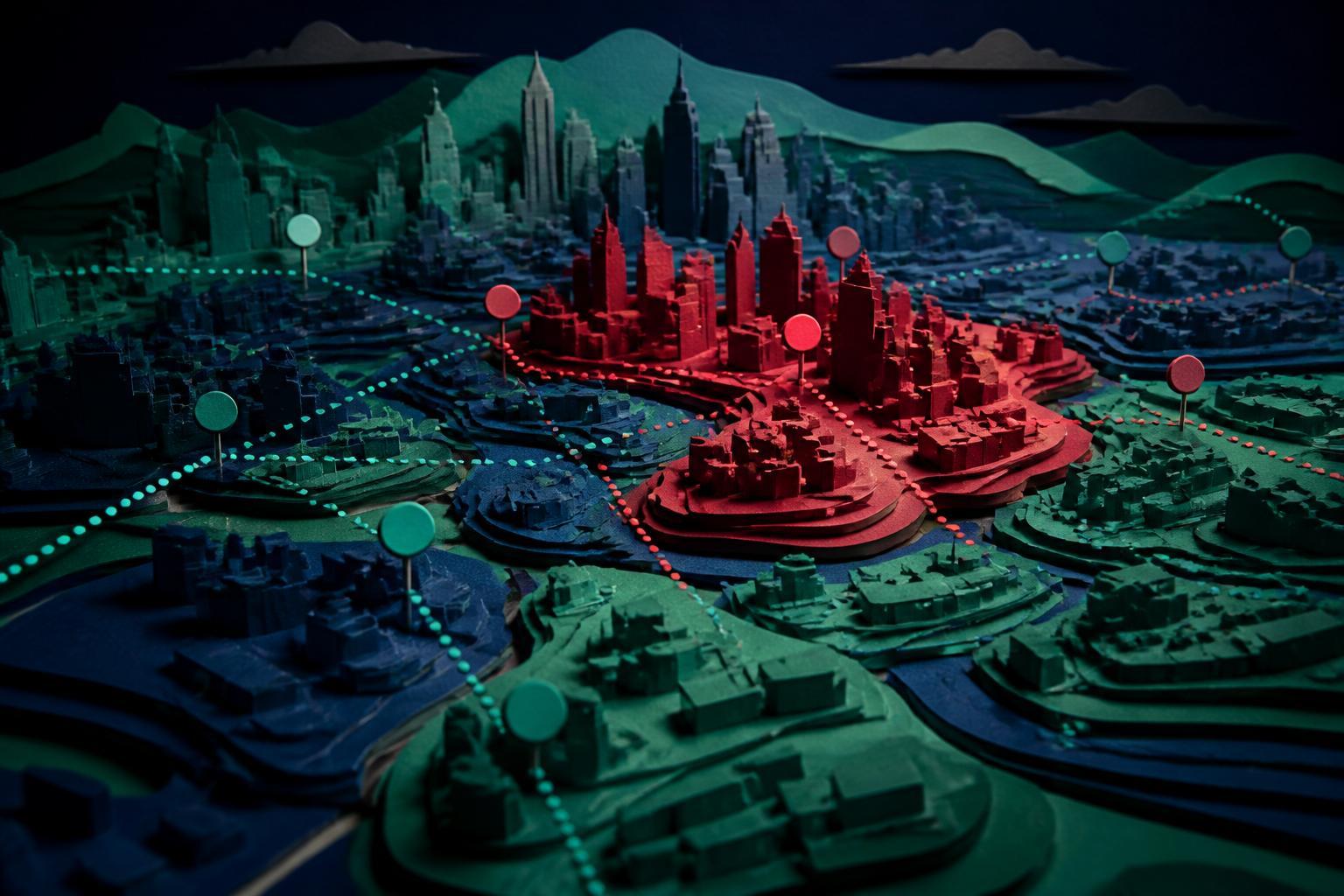
When the ATF confirmed that intruders accessed a system containing information about investigation targets, their response revealed something more valuable than the breach itself: they knew exactly which system was compromised, what it connected to, and how to isolate it without disrupting operations. That clarity doesn't happen by accident.
Scope of This Guide
This guide covers network segmentation requirements and incident isolation procedures for environments with sensitive, regulated, or confidential data. You'll find steps for creating defensible network boundaries, pre-authorization frameworks for emergency isolation, and notification protocols that meet regulatory obligations without needing real-time legal review.
This isn't about preventing every breach. It's about ensuring you can answer three questions within minutes of detection: what's compromised, what can the attacker reach from there, and who has the authority to cut it off.
Key Concepts and Definitions
Standalone System: A system separated from the enterprise network through physical or logical isolation controls. Network traffic between standalone systems and enterprise resources must pass through explicit security boundaries with logging and access control.
Isolation Authority: Pre-delegated decision rights allowing designated personnel to disconnect systems from the network during an active incident without executive approval. This authority must be documented, time-bound, and tied to specific triggering conditions.
Investigative Data: Information related to ongoing or closed investigations, including subject identities, surveillance details, case strategies, and informant relationships. Exposure creates operational risk beyond data privacy violations.
Enterprise Network: The interconnected systems supporting normal business operations. Compromise of one system on an enterprise network typically provides lateral movement opportunities unless segmentation controls restrict access.
Requirements Breakdown
Network Architecture Requirements
Your network documentation must support rapid incident triage. Maintain current network diagrams showing:
- System classifications by data sensitivity level
- Trust boundaries between network segments
- Authentication and authorization chokepoints
- Data flows between segments, including protocols and ports
- Dependencies that would break if a segment were isolated
Update these diagrams within 48 hours of any infrastructure change. If your diagram is more than 30 days old, assume it's wrong.
Segmentation Controls
Implement defense-in-depth segmentation:
Physical Segmentation: Separate network infrastructure with no shared switches, routers, or cabling. Use for systems containing investigative data, financial transaction records, or intellectual property requiring air-gap protection.
Logical Segmentation: VLANs, firewall rules, and access control lists that restrict traffic between network zones. Requires continuous monitoring because misconfigurations create bypass paths.
Microsegmentation: Application-level controls that restrict communication between individual workloads. Particularly effective in cloud environments where traditional network boundaries don't exist.
Isolation Authorization Framework
Document who can isolate systems and under what conditions:
- Immediate Isolation Authority: Security Operations Center (SOC) analysts can disconnect any system showing active command-and-control traffic or lateral movement attempts. No approval required.
- Expedited Isolation Authority: System owners can isolate their own systems upon detection of unauthorized access. Notify the security team within 15 minutes.
- Coordinated Isolation Authority: Cross-functional approval needed for systems supporting revenue-critical operations. Decision must occur within one hour of detection.
These authorities must be formally delegated in writing and reviewed quarterly.
Notification Protocols
Pre-establish notification templates and contact lists for:
- Federal agencies (if you're a government contractor or regulated entity)
- Data protection authorities (based on jurisdiction and data types)
- Affected individuals (if personal data is involved)
- Law enforcement (for criminal investigations)
- Cyber insurance carriers (within policy-specified timeframes)
The ATF's quick movement to make required federal notifications suggests they'd already mapped which incidents trigger which notifications. Build that decision tree before you need it.
Implementation Guidance
Build Your Isolation Playbook
Create system-specific isolation procedures that address:
- Technical steps: Commands to execute, firewall rules to activate, VLANs to disable
- Business impact: Which services stop working and which users are affected
- Communication plan: Who needs to know and what they need to be told
- Recovery prerequisites: What must be verified before reconnecting the system
Test these playbooks during tabletop exercises. If you can't walk through isolation procedures in 20 minutes during a simulation, you won't execute them effectively during an actual incident.
Map Your Dependencies
For each sensitive system, document:
- What it connects to (systems, databases, APIs)
- What connects to it (users, applications, monitoring tools)
- What breaks if you isolate it (authentication, reporting, data synchronization)
- Alternative access paths that bypass your segmentation controls
That last item is critical. Attackers look for the same backup paths and administrative access routes your IT team uses.
Eliminate Single Points of Failure
If only one person knows how to isolate your most sensitive systems, you don't have an incident response capability, you have a dependency. Document procedures, cross-train personnel, and verify that isolation can occur during off-hours when your senior engineer isn't available.
The same principle applies to network diagrams, access credentials, and notification contact lists. Assume your primary responder is unreachable and build redundancy accordingly.
Common Pitfalls
Segmentation Theater: Implementing VLANs without restricting routing between them. Attackers bypass these "controls" by simply routing through the gateway.
Documentation Drift: Network diagrams that reflect the initial architecture but miss the last 18 months of changes, cloud migrations, and temporary connections that became permanent.
Isolation Hesitation: Waiting for executive approval to disconnect a compromised system because you haven't pre-authorized isolation decisions. By the time you get approval, the attacker has moved laterally.
Notification Paralysis: Trying to determine notification requirements during an active incident. Legal review takes days; your notification windows are measured in hours.
Recovery Without Verification: Reconnecting isolated systems based on schedule rather than validated remediation. You're just giving the attacker another entry point.
Quick Reference Table
| Scenario | Isolation Authority | Notification Timeframe | Recovery Prerequisite |
|---|---|---|---|
| Active C2 traffic detected | SOC analyst (immediate) | Security team within 15 min | Full forensic analysis |
| Unauthorized access to investigative data | System owner (expedited) | Legal/compliance within 1 hour | Access logs reviewed, credentials rotated |
| Ransomware encryption in progress | SOC analyst (immediate) | Executive team within 30 min | Clean backup verified, root cause identified |
| Suspected data exfiltration | Security director (coordinated) | Regulatory authority per obligation | Scope of exposure confirmed |
| Credential compromise | System owner (expedited) | Security team within 15 min | All credentials rotated, MFA verified |
Your network segmentation doesn't just limit blast radius, it buys you decision time. When the ATF identified their compromised system as standalone and separate from the enterprise network, they'd already won the most important battle: they knew the boundaries of the problem. Build your architecture so you can say the same thing.